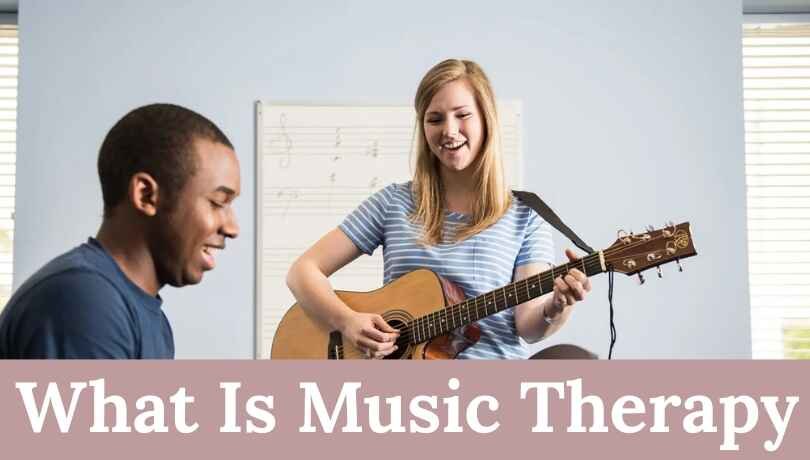
Understanding Music Therapy
You may have heard of music therapy, but what is it? Maybe you’re wondering if music therapy is just listening to relaxing music or if it involves playing an instrument. Or perhaps you’re skeptical—how can music really help with something like anxiety, chronic pain, or rehabilitation?
If you’re curious, confused, or even a little doubtful, you’re not alone. Many people don’t fully understand what music therapy is or how it works. The good news? You’re in the right place!
This article will explain:
✔ What music therapy is
✔ How music affects the brain
✔ Who can benefit from music therapy
✔ What happens in a music therapy session
✔ Where to find music therapy services
By the end, you’ll have a clear understanding of music therapy and whether it might be a good fit for you or a loved one.
What is Music Therapy?
Music therapy isn’t just about playing or listening to music—it’s an evidence-based clinical practice. Board-certified music therapists (MT-BCs) use music to help people reach specific goals, whether it’s reducing stress, improving communication, or managing pain. Music therapy is the clinical and evidence-based use of music interventions to accomplish individualized goals within a therapeutic relationship by a credentialed professional who has completed an approved music therapy program (American Music Therapy Association, 2005). Find out more about music therapy at musictherapy.org
Music therapy can:
- Alleviate Pain
- Decrease Anxiety
- Manage Stress
- Enhance Memory
- Improve Communication
- Express Feelings
- Increase Socialization
- Provide Psychosocial Support
- Promote Wellness
- And so much more!
How Music Affects the Brain
Ever noticed how a song can bring back a memory in an instant? Or how upbeat music can make you feel energized? That’s because music affects multiple parts of the brain at once, including:
- The amygdala (emotions)
- The hippocampus (memory)
- The motor cortex (movement)
- The cerebellum (processes rhythm and timing)
- The auditory cortex (processes sound)
Music can also trigger the release of dopamine, the “feel-good” chemical in your brain, which is why it can lift your mood and reduce anxiety.
Who Can Benefit from Music Therapy?
Music therapy isn’t just for musicians or music lovers —it’s for everyone! Because it can be customized to fit individual needs, it’s used in a variety of settings. Below is a short list of populations that music therapists often work with.
Music Therapy for Children and Adolescents
Children with autism, ADHD, developmental delays, learning differences, or mental health conditions often struggle with communication, social skills, or emotional regulation. Music therapists often use singing, drumming, movement, and interactive music games to meet social, developmental, and psychological goals. Music therapy can:
✔ Improve speech development
✔ Support focus and coordination
✔ Build social skills
✔ Improve cognitive function
Music Therapy for Individuals with Mental Health Conditions
For people with anxiety, depression, mood disorders, and other mental health conditions, music therapy can provide a safe way to express emotions and build coping skills. Techniques like therapeutic songwriting, lyric analysis, and active music making help people process difficult feelings without having to find the “right words.” Traditional counseling may not be enough for some individuals. Music therapy is often used as an adjunct or complementary therapy alongside cognitive behavioral therapy, for example, to enhance treamtment outcomes. Music therapy offers a wide array of approaches and techniques designed to:
✔ Improve depressive symptoms
✔ Decrease anxiety
✔ Enhance emotional expression
Music Therapy in Medical Settings
In hospitals, music therapy has been found to lower blood pressure and reduce pain perception. Medical music therapists often see patients to:
✔ Reduce pain and discomfort (especially in cancer and post-surgery patients)
✔ Support physical rehabilitation (helping stroke survivors regain movement)
✔ Ease anxiety before and after medical procedures
✔ Provide psychosocial support to cope with a long hospital stay or life-changing diagnosis
Music Therapy for Seniors and Dementia Care
For older adults, music therapy can:
✔ Trigger long-lost memories in people with Alzheimer’s
✔ Encourage movement in seniors with mobility issues
✔ Reduce loneliness and depression in nursing homes
Music therapists also work with premature infants, neurotypical preschoolers and school-aged children, children in foster care who have experienced abuse and trauma, medically fragile children, individuals with substance use disorders, Veterans, Hospice and end-of-life, adults with neurological disorders such as Parkinson’s Disease, and so many more!
How Does Music Therapy Work?
A music therapy session isn’t just sitting in a room listening to a song. It’s an interactive process where the therapist tailors the experience to fit the person’s goals.
Active vs. Receptive Music Therapy
- Active music therapy: The person creates music (singing, playing instruments, songwriting, etc.).
- Receptive music therapy: The person listens to music chosen by the therapist to induce relaxation, memory recall, or emotional release.
Common Music Therapy Techniques
- Therapeutic Songwriting – Great for self-expression, especially in mental health therapy.
- Lyric Analysis – Helps people relate to songs that reflect their feelings.
- Drumming & Rhythm-Based Exercises – Helps with motor coordination and emotional regulation.
- Adaptive Music Lessons – Supports cognitive development and other non-musical goals while the client learns a musical instrument.
Where Is Music Therapy Offered?
Music therapy is available in many different settings, including but not limited to:
Hospitals & Healthcare Centers – Used in pain management, cancer treatment, stroke rehabilitation, neonatal care, and more.
Schools & Special Education Programs – Helps children with learning disabilities, autism, and behavioral challenges.
Mental Health & Addiction Recovery Centers – Supports people recovering from substance use disorders, trauma, and stress management.
Nursing Homes & Assisted Living Facilities – Brings comfort to older adults with dementia and Alzheimer’s.
Private Practice & Telehealth – Music therapists offer one-on-one sessions for all ages or virtual sessions. Sometimes sessions are offered in private practice offices or in-home. Additionally, you may find music therapists at other therapy offices working in collaboration with counselors, ABA therapists, speech therapists, physical therapists, and/or occupational therapists.
How to Find a Music Therapist
If you think music therapy might be helpful for you or a loved one, the first step is finding a board-certified music therapist (MT-BC).
Search the American Music Therapy Association (AMTA) directory for certified professionals: musictherapy.org
Ask your nurse, doctor, case manager, or chaplain if they offer music therapy services at your hospital or rehabilitation center.
Ask your school, case manager, nursing home, or mental health provider if they offer music therapy services. many have music therapy programs.
The Power of Music Therapy
In conclusion, music therapy is not entertainment—it’s a powerful tool for healing, communication, and connection. Whether it’s helping a child with autism, a patient recovering from surgery, or an older adult struggling with memory loss, music therapy can improve quality of life.
If you’ve ever felt the emotional pull of a song, imagine the possibilities when music is used with intention by a board-certified music therapist. That’s the magic of music therapy! Fascinating, right?
Have questions or want to share your experience? Let us know in the comments below!
Leave a Reply